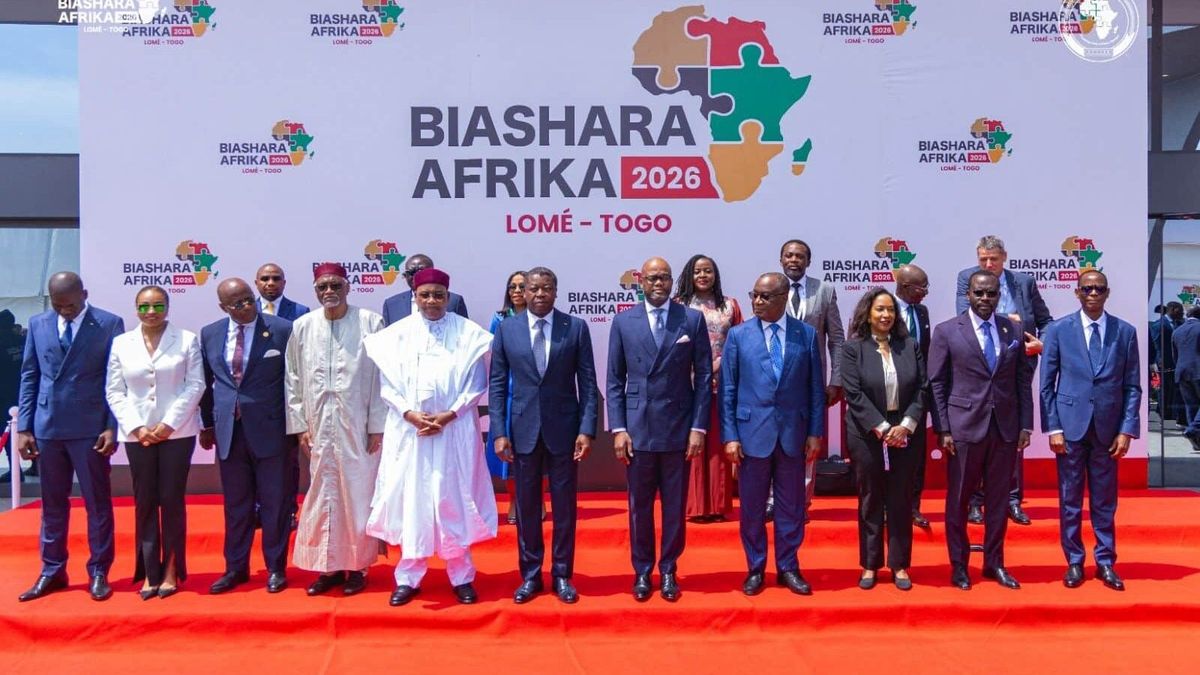
Lomé, Togo , Discussions at Biashara Afrika 2026 reflected a noticeable shift in the African Continental Free Trade Area (AfCFTA) conversation, from negotiations and framework-building toward implementation challenges tied to trade facilitation, payments, industrialisation, and private sector participation.
Held in Lomé from 18,20 May under the theme “Powering Africa’s Economic Transformation Through the AfCFTA,” the platform brought together policymakers, financial institutions, logistics operators, development partners, and businesses to examine the operational realities of building a continental market.
Several announcements and discussions during the platform highlighted the implementation priorities now emerging under the AfCFTA.
AfCFTA Uygulamasında Hangi Yeni Adımlar Atılıyor?
Among the most notable developments was the announcement by the Government of Togo introducing visa-free entry measures for African nationals holding valid passports, a move participants linked to broader efforts aimed at facilitating the movement of people and businesses across the continent.
Trade facilitation also featured prominently throughout the discussions.
Hangi Ülkeler AfCFTA Pilot Uygulamalarına Hazır?
Nigeria announced readiness to pilot the AfCFTA Electronic Certificate of Origin and Simplified Trade Regime, while Cabo Verde indicated readiness to pilot the Authorised Economic Operator Programme. Stakeholders also advanced discussions around One-Stop Border Posts and the Single Bond Guarantee initiative.
While technical in nature, many of these initiatives are aimed at addressing persistent trade barriers facing African businesses, including border delays, documentation requirements, fragmented customs systems, and high transaction costs.
Digital trade infrastructure and payment systems emerged as another central area of focus.
Participants engaged on tools including the Pan-African Payment and Settlement System (PAPSS), the AfCFTA e-Tariff Book, the African Trade Gateway, and Ecobank’s Single Market Trade Hubs, reflecting growing emphasis on reducing payment friction and improving access to market information across borders.
AfCFTA'nın Başarısı İçin Özel Sektör Katılımı Neden Önemli?
Discussions throughout the platform also reflected increasing recognition that implementation of the AfCFTA will depend significantly on private sector participation and investment mobilisation.
Several partnerships and Memoranda of Understanding were concluded during the gathering, including agreements involving Ecobank Group, Africa Global Logistics (AGL), Rendeavour, the International Trade Centre (ITC), and other institutions focused on trade finance, logistics, industrialisation, and SME support.
The Biashara SME Market Access and Deal Room also evolved beyond networking into a platform for commercial engagement and business matchmaking, facilitating discussions around trade opportunities, partnerships, and market access across African markets.
Participants additionally called for the establishment of a permanent AfCFTA Deal Room mechanism operating throughout the year to connect SMEs, buyers, investors, distributors, women entrepreneurs, and youth-led businesses across the continent.
Industrialisation and regional value chains remained recurring themes across multiple sessions, particularly in discussions focused on agriculture, automotive manufacturing, logistics corridors, digital trade, and Special Economic Zones.
Speakers also pointed to broader global economic shifts, including supply chain reconfiguration, rising protectionism, and uncertainty around external trade arrangements, as factors increasing the importance of regional integration and intra-African trade.
Speaking at the conclusion of the platform, Secretary-General of the AfCFTA Secretariat, H.E. Wamkele Mene, said discussions in Lomé reflected growing emphasis on implementation and execution under the AfCFTA framework.
“The conversations in Lomé were not about possibility, but about execution,” he said.
Biashara Afrika 2026 brought together more than 1,900 participants, making it the largest edition of the platform to date.
Kaynak: CNBC Africa